Hunting isn't at risk. Your Voice Is.
Amendment 83 misleads Colorado voters into thinking they are protecting the right to hunt and fish when it actually takes away our voice in future wildlife decisions.

83 Isn't About Protecting Your Right to Hunt. It's About Changing Who Gets to Decide.
What Amendment 83 would do:
83 says:
A constitutional right to hunt and fish
What that could mean:
Hunting and fishing would receive specific constitutional protection over all other public lands users even though hunting and fishing are already legal and regulated in Colorado.
83 says:
“Traditional methods”
What that could mean:
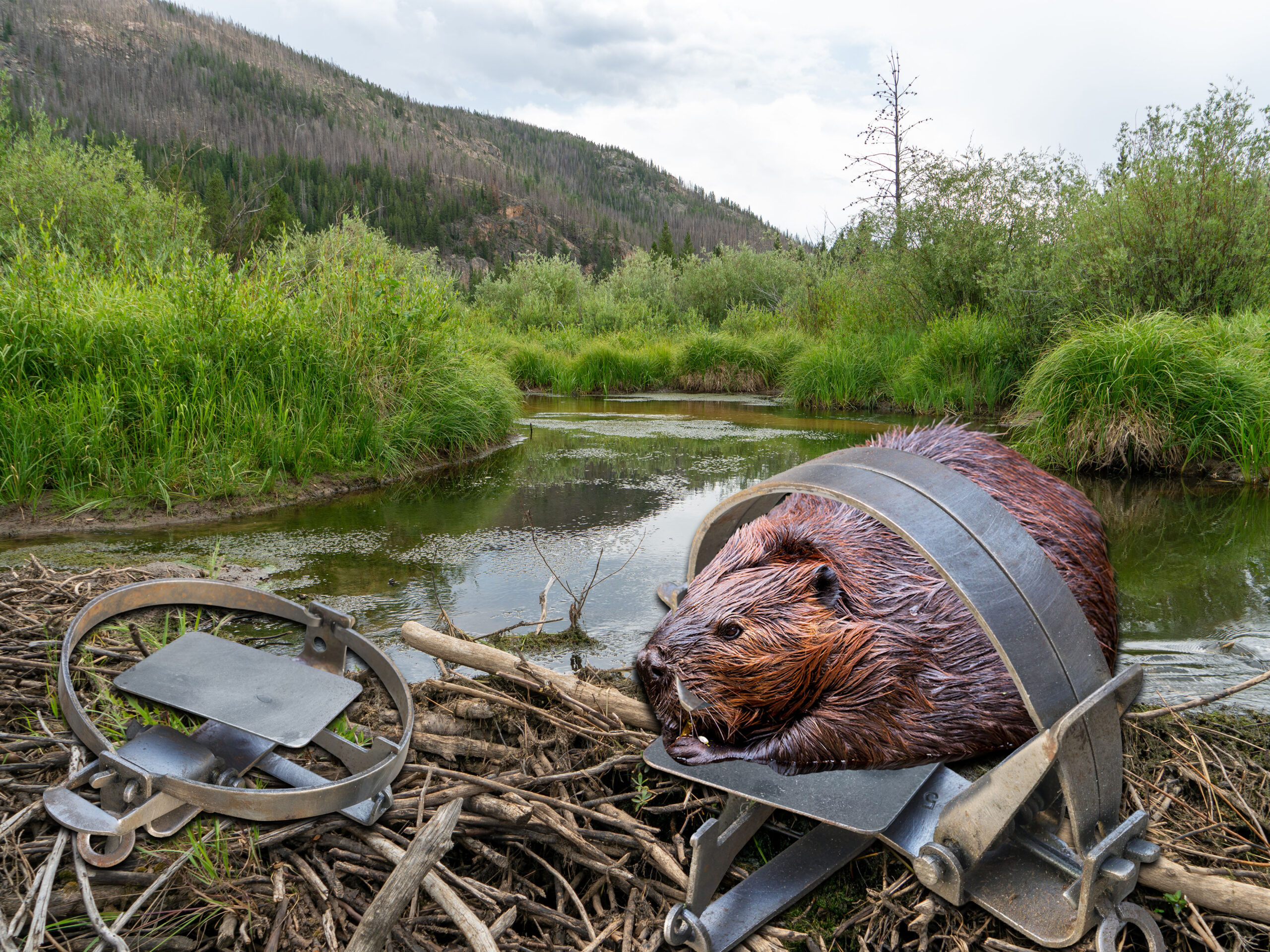
“Traditional methods” could raise questions about whether cruel and outdated practices Colorado voters have already banned such as wildlife trapping, hounding, or baiting receive constitutional protection.
83 say:
“Preferred means”
What that could mean:
The amendment would give hunting and fishing a constitutionally preferred status in wildlife management, potentially changing the balance between voters, the legislature, the Parks and Wildlife Commission, local governments, and the courts.
83 says:
“Necessary” regulation
What that could mean:
Future wildlife regulations would have to meet the amendment’s constitutional standards on what regulation is legally “necessary,” likely leading to costly legal battles.
83 says:
“Sound scientific wildlife conservation and management”
What that could mean:
This key term is intentionally undefined and vague, creating uncertainty around future actions to address habitat, biodiversity, nongame species, disease, climate change, and other wildlife challenges.
Why Amendment 83 is a problem.
1. It changes who gets to decide Colorado’s wildlife future.
Amendment 83 is an unnecessary constitutional amendment pushed by out-of-state special interests that could limit Colorado voters’ ability to shape future wildlife policy. Hunting and fishing are already legal and protected in Colorado, yet this measure would give them special constitutional status over all other public lands users, making it harder for voters, local communities, lawmakers, and wildlife experts to have a voice.
2. It puts a special interest agenda in the Constitution.
Far-right special interests are trying to pass this unnecessary amendment when hunting and fishing are already legal in Colorado. This amendment is part of a national campaign backed by wealthy, out-of-state groups that have pushed nearly identical measures in states across the country.
This measure imports one-size-fits-all constitutional language developed outside our state, rather than addressing the needs of Coloradans. Colorado’s wildlife policies should be shaped by Colorado voters, elected officials, wildlife experts, and local communities, not outside special interests.
Hunting and fishing are already legal and protected in Colorado. There is no need to put a new, special constitutional status for hunting and fishing into the Colorado Constitution.
3. It could make it harder for Coloradans to protect wildlife.
Proponents of right-to-hunt amendments have described constitutional protections as a “lock on the door” against future restrictions. Because constitutional amendments are difficult to change, voters should understand not only what Amendment 83 says today, but how it could affect future wildlife policy.
Amendment 83 could create new constitutional standards that future laws, regulations, ballot measures, and wildlife-management decisions would have to satisfy. That could make it harder for Colorado to respond to changing science, conservation needs, and public priorities.
4. Its language is vague—and that could lead to litigation.
When constitutional language is vague or undefined, disagreements about what it means can end up in court. That could mean more litigation and taxpayer costs, while shifting wildlife-policy decisions away from the public process and into the courts.
Worse, the people behind this amendment are on the record saying they want to challenge decisions Colorado voters made about wildlife management in the past, like outlawing baiting bears and chasing them with hounds.
5. It isn't necessary.
Hunting and fishing are already legal and protected in Colorado. There is no current crisis threatening Coloradans’ ability to hunt or fish. Amendment 83 would add new constitutional language to address a problem that does not currently exist—while creating new questions about how Colorado will manage wildlife in the future.
Constitutional amendments are supposed to be rare and should be used to protect fundamental rights like freedom of speech or due process. Because they are difficult to change, Coloradans should consider not only what a constitutional amendment does today, but what it could mean for the future.
Have questions? Check out our FAQ page for more details.
What we believe.
Wildlife belongs to all Coloradans. Decisions about wildlife should be based on science, public input and what's best for healthy ecosystems, not locked into the state Constitution to protect one set of interests.
Endorsed by